Arlanda is a key hub in Swedish infrastructure where every detail must function – every day, all year round.
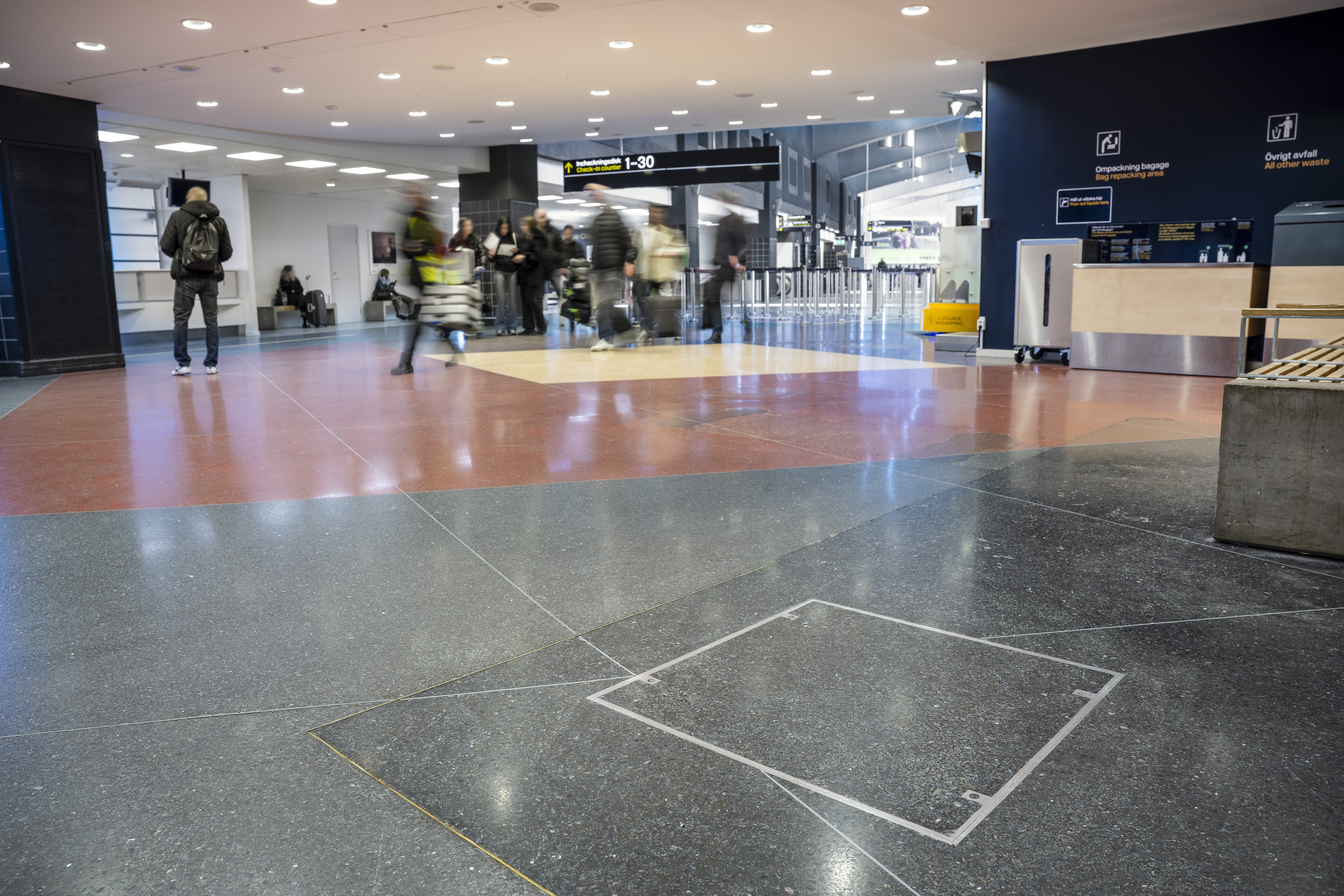
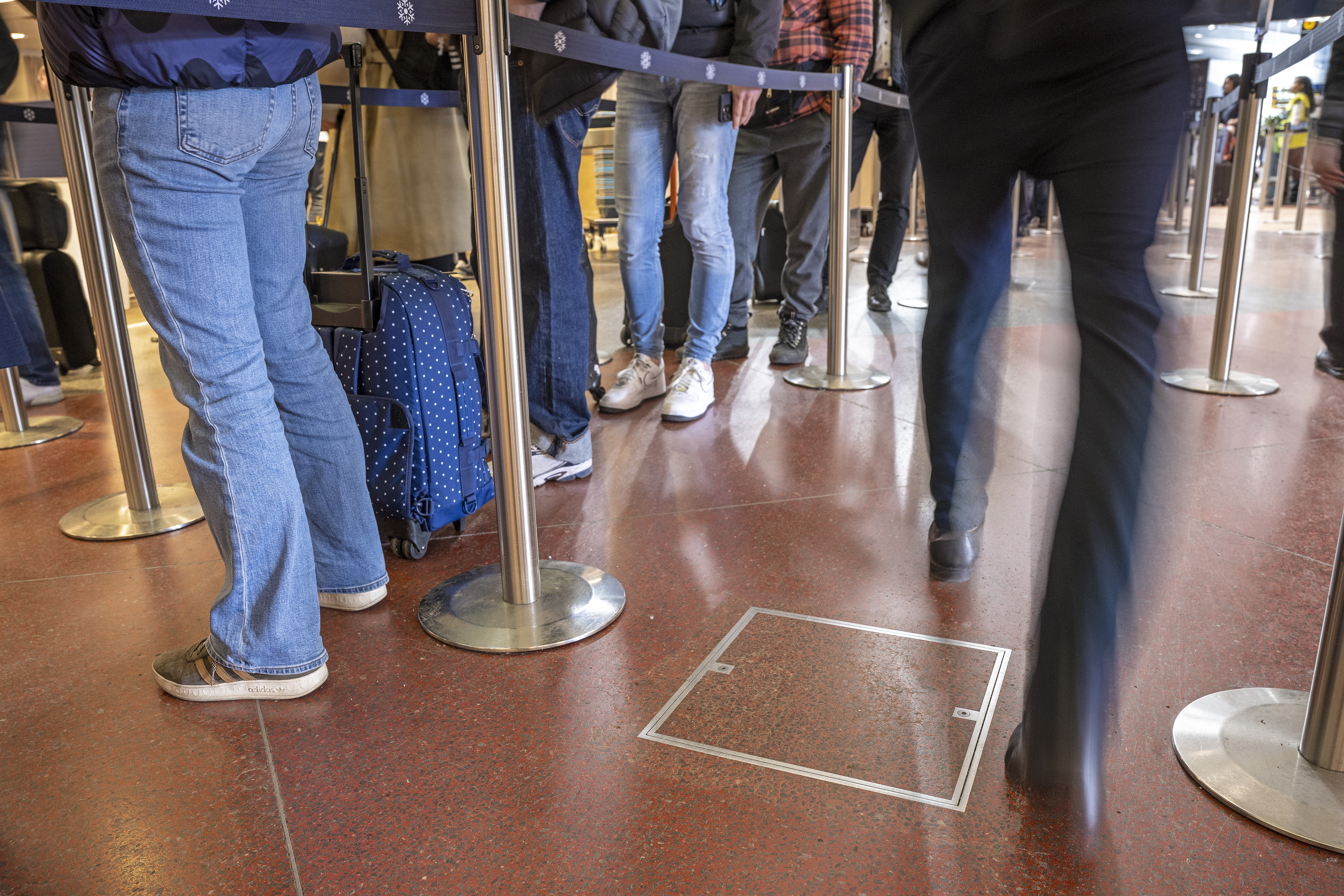
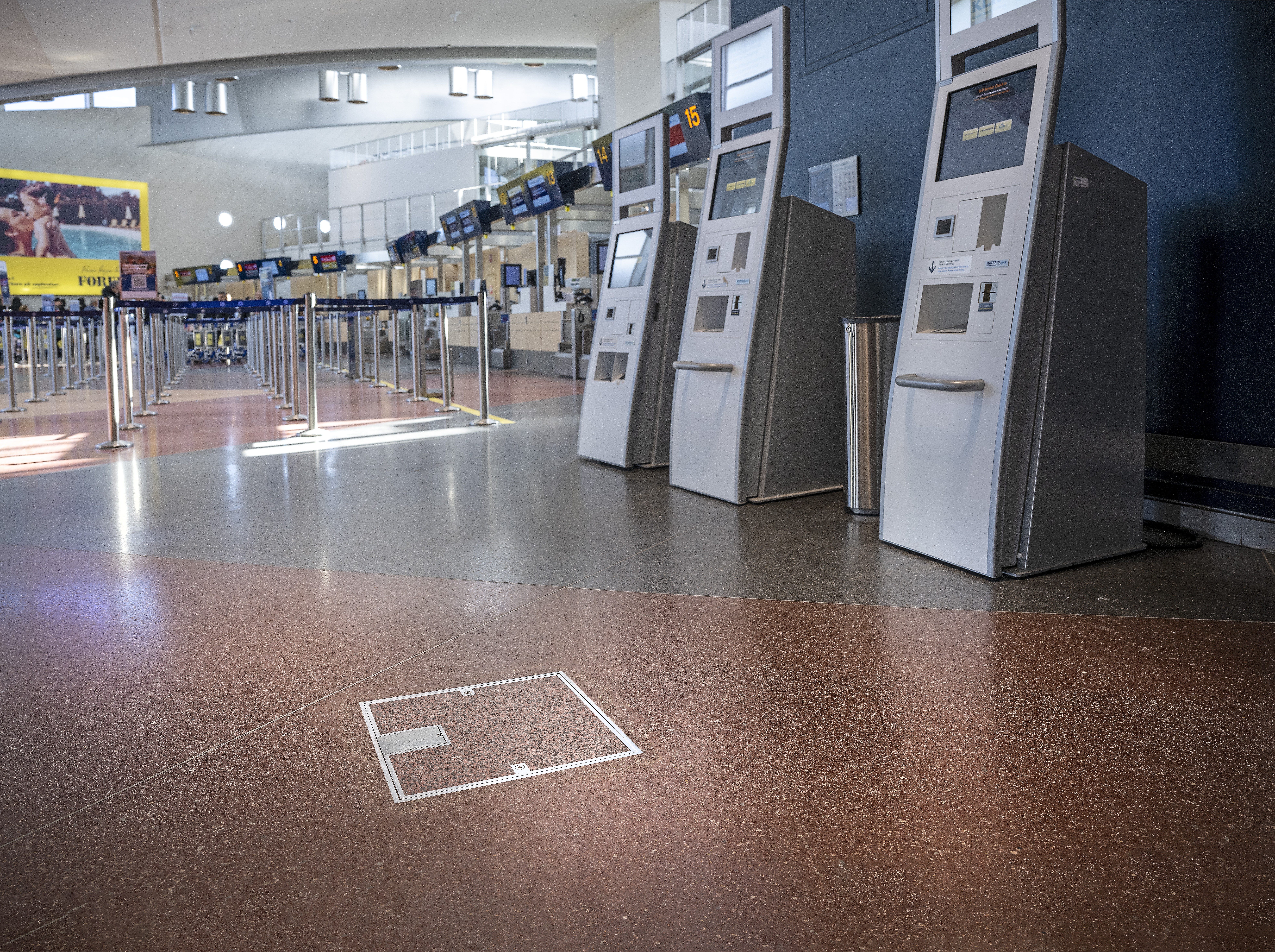
In the terminal arrival halls, access covers were required to provide safe and seamless access to installations beneath the floor without disrupting the architectural integrity. The solutions had to integrate into public areas with high foot traffic while meeting strict safety, durability, and long service life requirements.
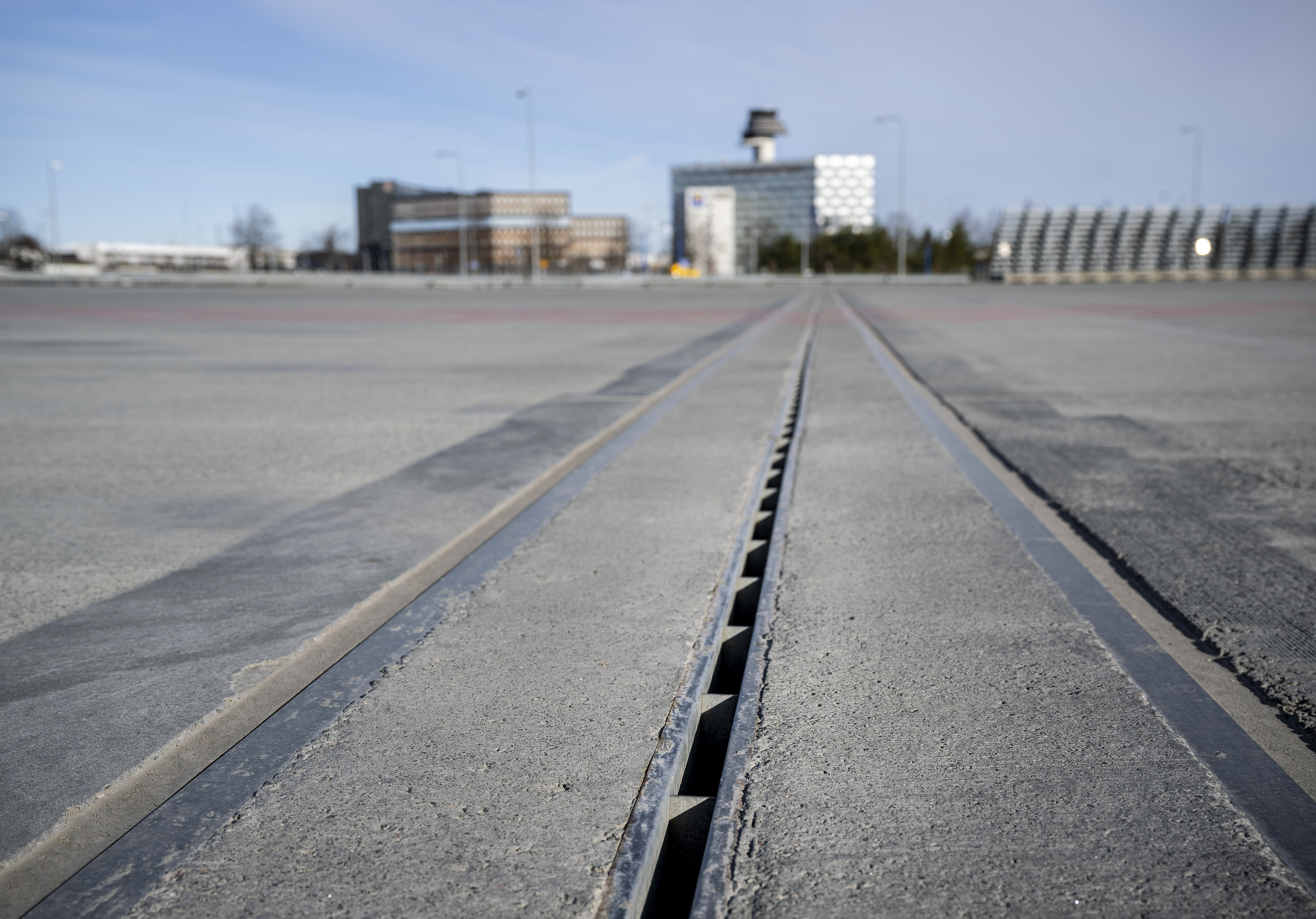
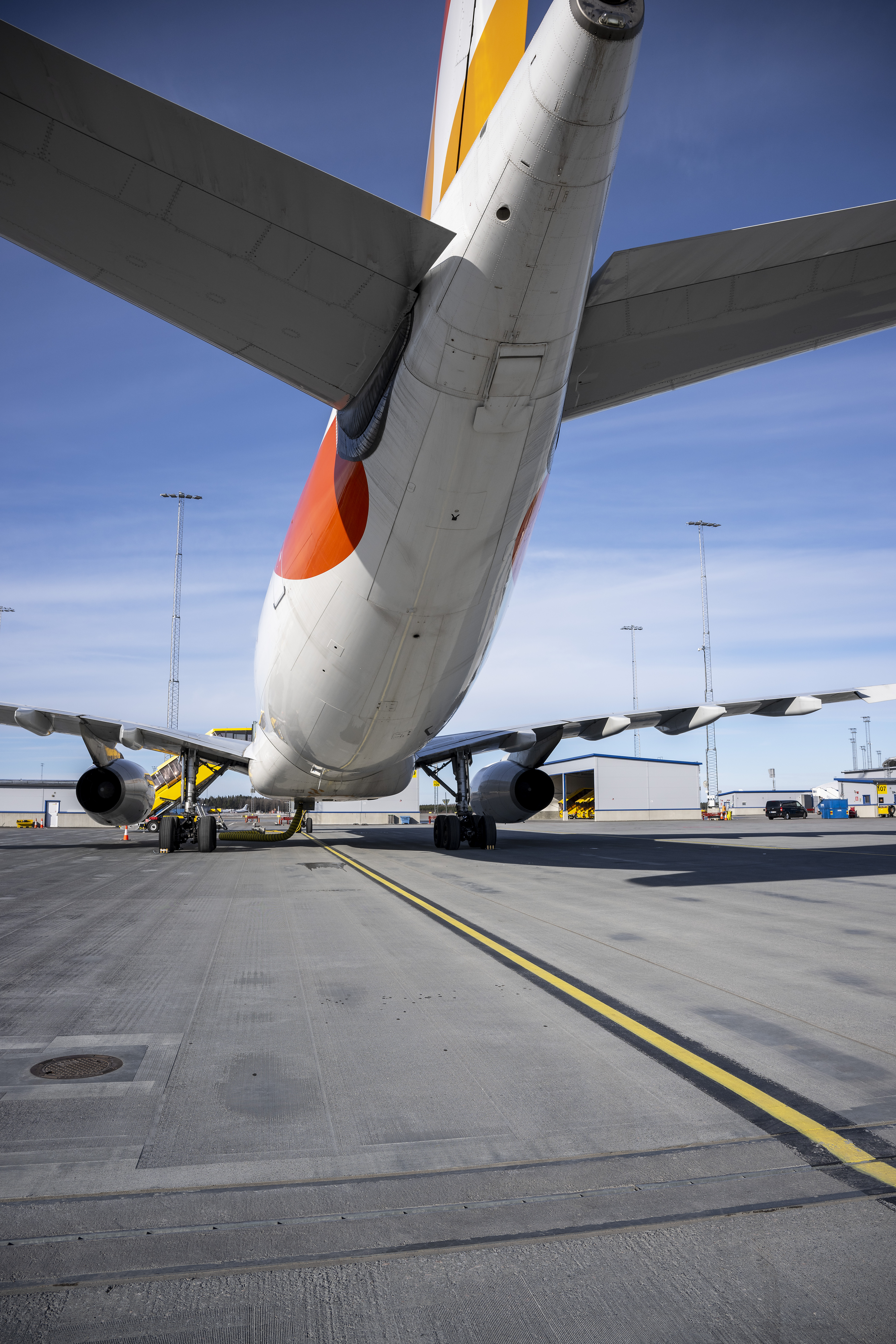
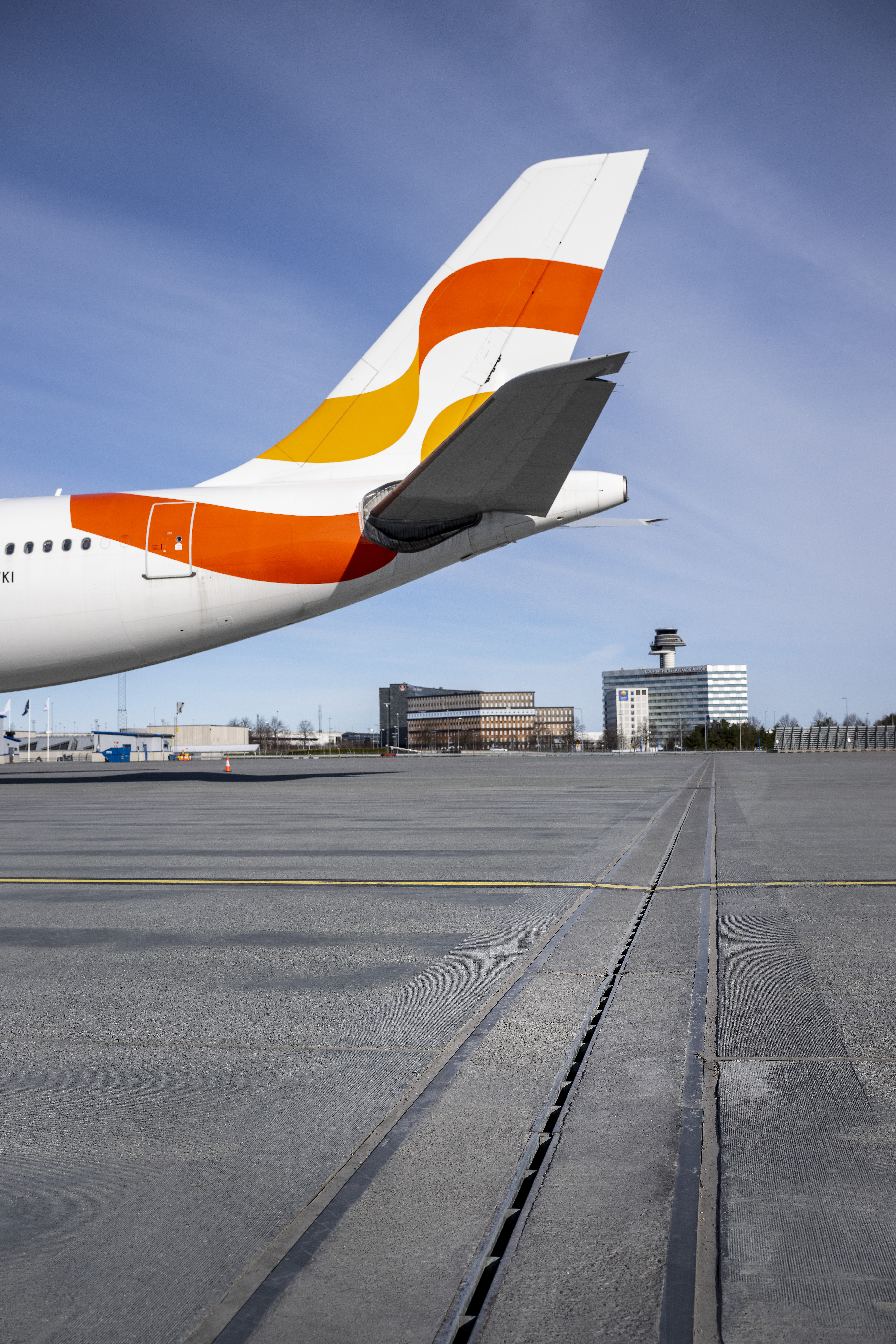
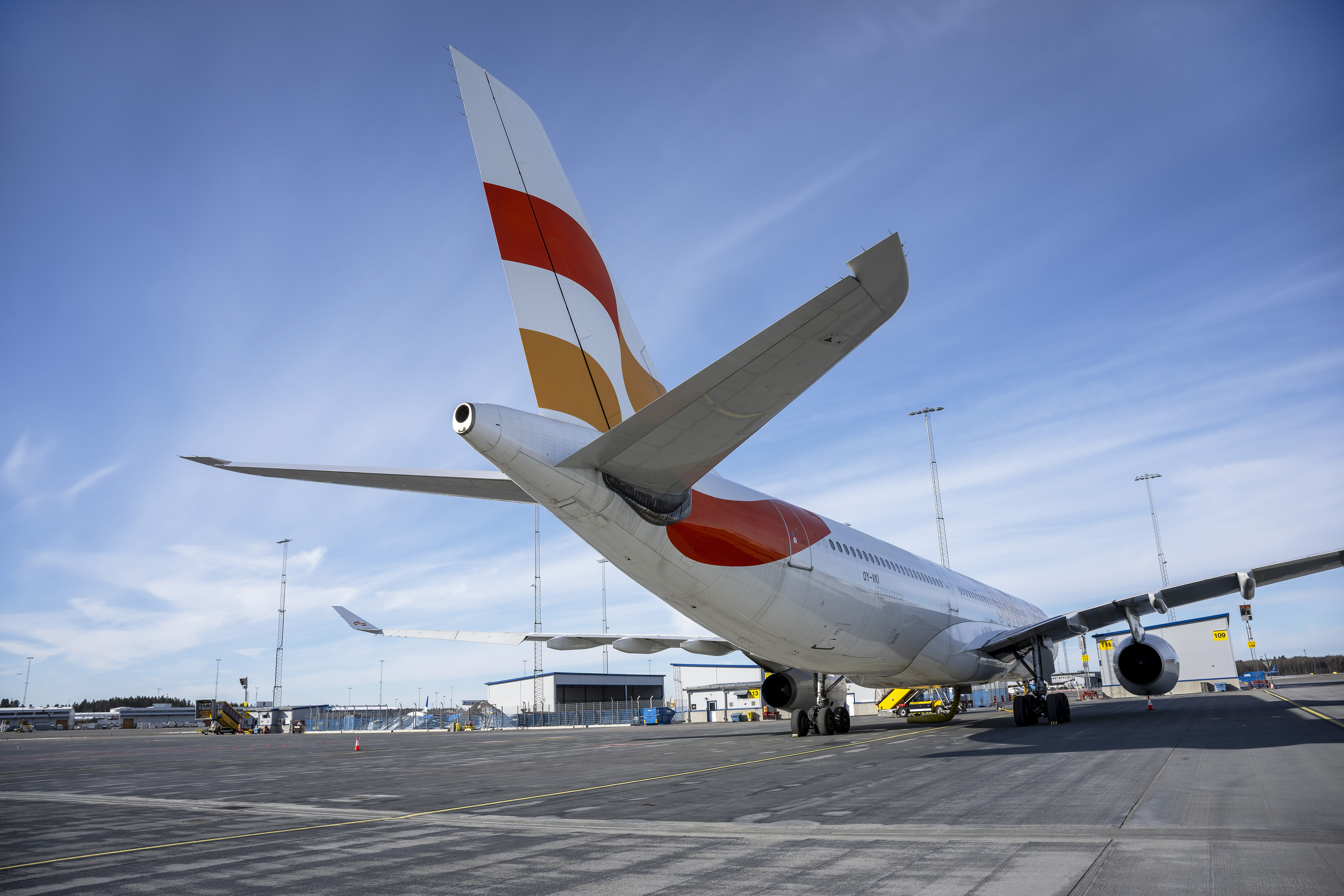
At the same time, extensive requirements were set for surface drainage on the airport’s apron areas. Large volumes of water must be handled efficiently in an environment exposed to weather, snow, ice, chemicals, and heavy vehicle traffic. In an airport project of this scale, operational reliability is crucial – the drainage system cannot be a weak link in the infrastructure.
In the terminal arrival halls, Classic series access covers were installed, customized to project-specific dimensions, load requirements, and floor construction. Each access cover is discreetly integrated into the floor, ensuring efficient service access without compromising the visual integrity of the space.
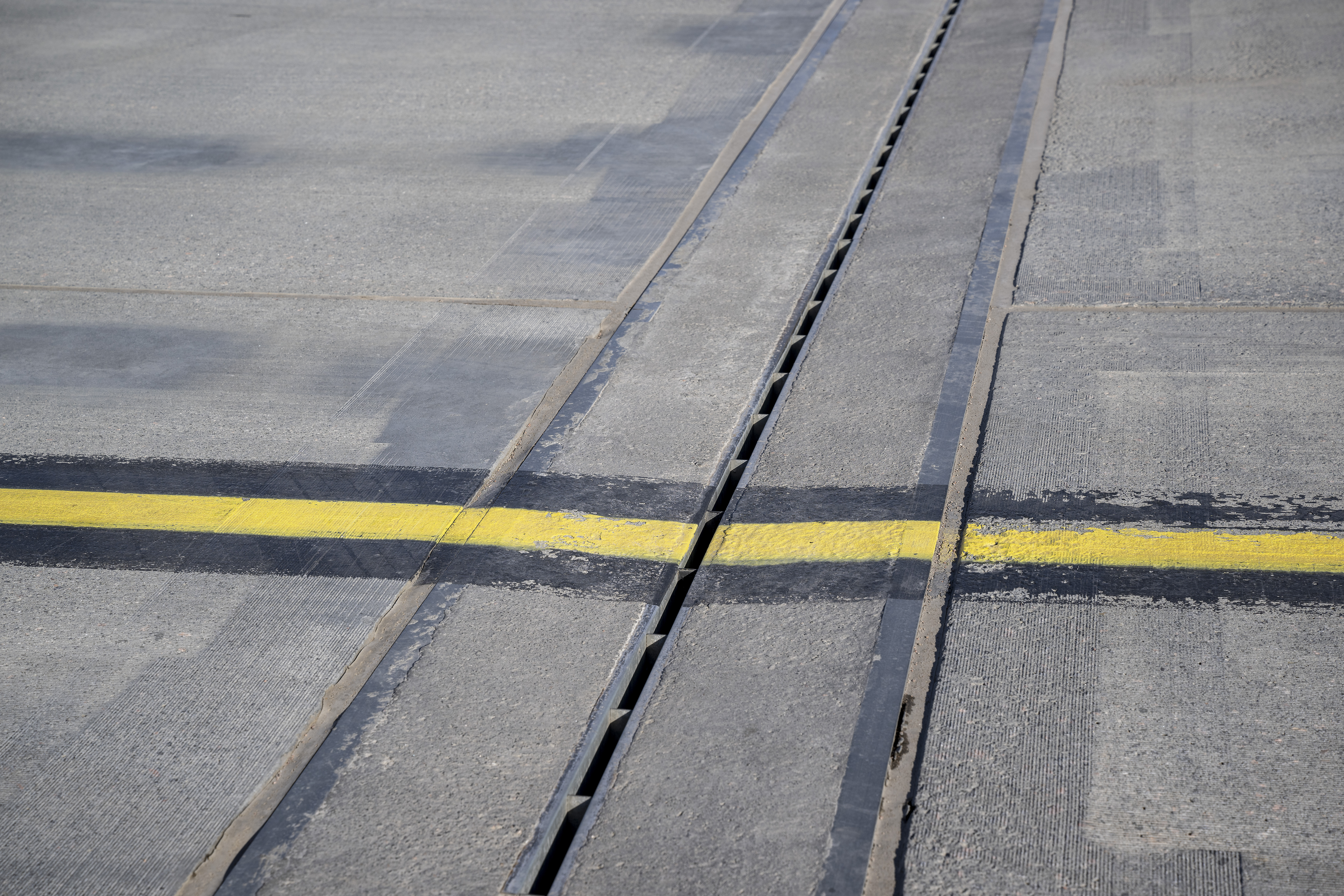
On the airport apron areas, the Ultraslot linear drainage system was delivered – a system designed for robust surface drainage in demanding infrastructure environments. Its slotted design creates a smooth and safe surface while the construction is engineered to handle heavy loads and provide long-term durability.
By combining discreet access covers in the terminal with high-performance surface drainage on the apron, a comprehensive solution was created to meet the needs of people, aircraft, and equipment alike.
Stockholm Arlanda Airport now features sustainable and reliable solutions that support both public operations and heavy airport traffic.
The access covers enable efficient service access without affecting the architectural experience of the terminal. The Ultraslot system ensures safe and controlled surface drainage on the airport’s high-traffic areas.
This project demonstrates how the right access covers and surface drainage are essential components of modern infrastructure – especially in an airport setting, where functionality, safety, and aesthetics must work together over time.