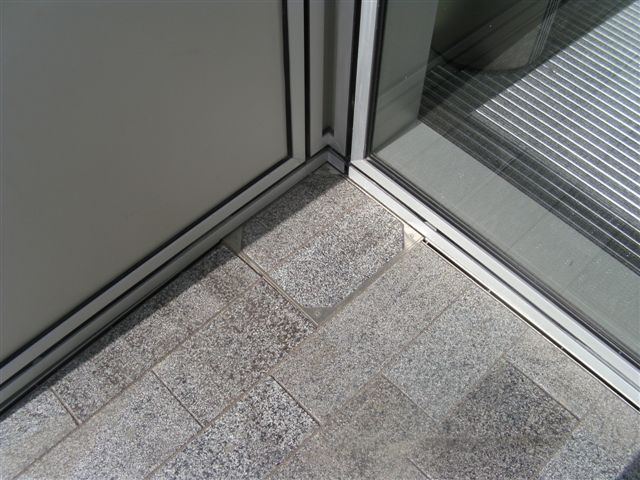
Discreet and high-performance drainage for demanding environments
Slotdrain is a modern and high-performance system for surface and linear drainage, developed to handle everything from pedestrian traffic to heavily loaded environments such as airports, ports, industrial areas, and high-traffic roads. The system combines a discreet design with maximum functionality and durability.
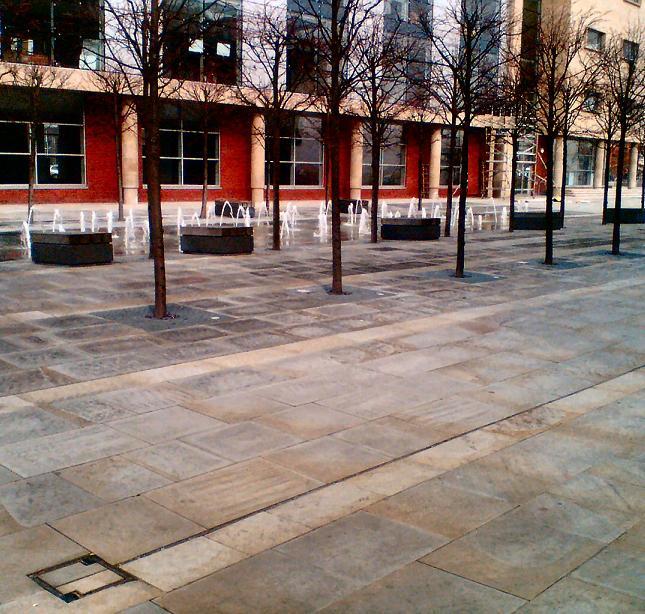
Manufactured from galvanized steel and cast iron, Slotdrain is built to withstand high flow rates and harsh conditions. It is available in multiple configurations and load classes ranging from A15 kN to F900 kN in accordance with EN 124, making it a flexible solution for both light-duty environments such as courtyards, public squares, and pedestrian areas, as well as demanding applications like airports, ports, terminals, and logistics areas.
Model: UltraSlot
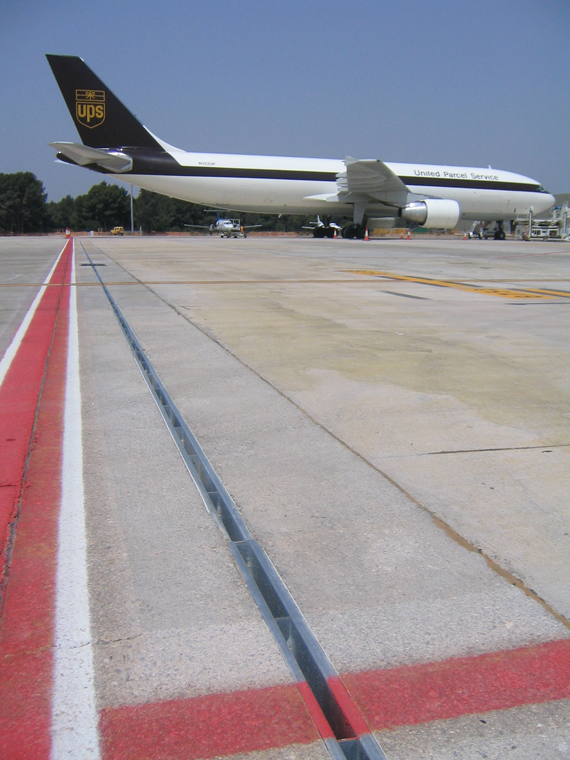
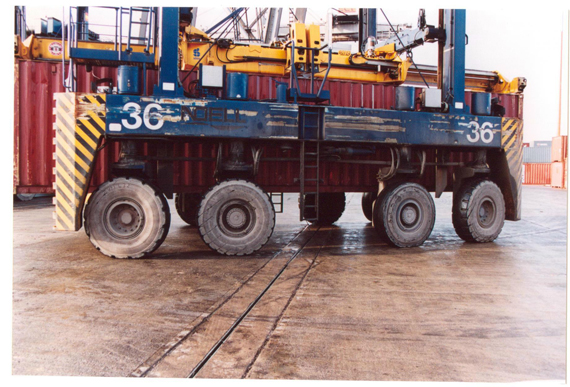
Applications: UltraSlot is specifically developed for environments with continuous traffic and very high loads, where traditional systems are not sufficient.
- Airports
- Ports and container terminals
- Highways and traffic areas
- Logistics and distribution centers
- Industrial areas
- Fuel stations and loading areas
Material:
Model: CastSlot
Applications:
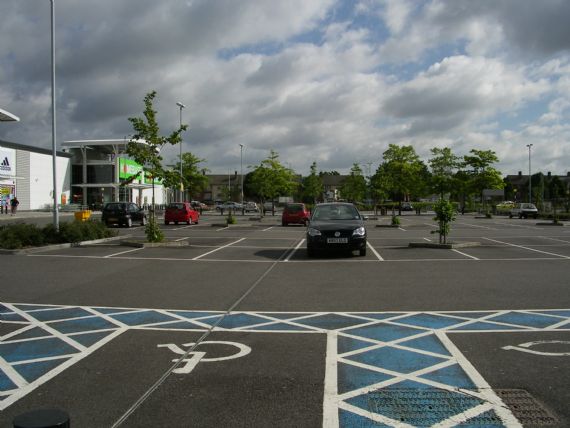
- Parking areas
- Industrial and logistics sites
- Loading and distribution areas
- Ports and terminals
- Airports
- Fuel stations and service areas
- Urban environments requiring a discreet design
Material:
- Top section: Cast iron
- Channel: Galvanized steel in accordance with BS EN 10346: DX51D+Z275-NA-C
Load classes:
A15 kN, B125 kN, C250 kN, D400 kN, E600 kN and F900 kN
Width:
100–600 mm
Length:
3000, 1000 or 500 mm
Slot opening:
Standard 30 mm
Optional: 2 × 10 mm
Load classes: A15 kN, B125 kN, C250 kN, D400 kN, E600 kN and F900 kN
Width: 100–600 mm
Length: 3000, 1000 or 500 mm
Slot opening: Standard 30 mm
Optional: 2 × 9 mm
Model: CastSlot
Applications:
- Parking areas
- Industrial and logistics sites
- Loading and distribution areas
- Ports and terminals
- Airports
- Fuel stations and service areas
- Urban environments requiring a discreet design
Material:
- Top section: Cast iron
- Channel: Galvanized steel in accordance with BS EN 10346: DX51D+Z275-NA-C
Load classes: A15 kN, B125 kN, C250 kN, D400 kN, E600 kN and F900 kN
Width: 100–600 mm
Length: 3000, 1000 or 500 mm
Slot opening: Standard 30 mm
Optional: 2 × 10 mm
Modell: PaveSlot
Användningsområden:
- Torg och stadsmiljöer
- Gång- och vistelseytor
- Innergårdar
- Parkeringsytor med lätt trafik
- Offentliga miljöer med krav på diskret design
Material: Galvaniserat stål enligt BS EN 10346:
DX51D+Z275-NA-C
Belastningsklass: A15 kN, B125 kN och C250 kN
Bredd: 100-600 mm
Längd: 3000, 1000 eller 500 mm
Spaltöppning: Anpassad för gångtrafik och belagda ytor
Model: PaveSlot
Applications:
- Public squares and urban environments
- Pedestrian and public areas
- Courtyards
- Parking areas with light traffic
- Public spaces requiring a discreet design
Material: Galvanized steel in accordance with BS EN 10346: DX51D+Z275-NA-C
Load classes: A15 kN, B125 kN and C250 kN
Width: 100–600 mm
Length: 3000, 1000 or 500 mm
Slot opening: Designed for pedestrian traffic and paved surfaces
UltraSlot
- Treadsafe option (pedestrian-friendly solution)
- Continuous spacer for cable routing and additional reinforcement
- Drop connectors and end caps
- Catch basins, sand traps and inspection units
- Flow regulators for water management
- Custom-made solutions available
CastSlot
- Treadsafe option (pedestrian-friendly solution)
- Continuous spacer for cable routing and additional reinforcement
- Drop connectors and end caps
- Catch basins, sand traps and inspection units
- Flow regulators for water management
- Custom-made solutions available
- Available in stainless steel
PaveSlot
- Adaptation to various paving stone and slab formats
- Perforated spacers for drainage of underlying water
- Inspection units and sand traps
- Connections to stormwater systems
- Project-specific solutions and dimensions
FacadeSlot
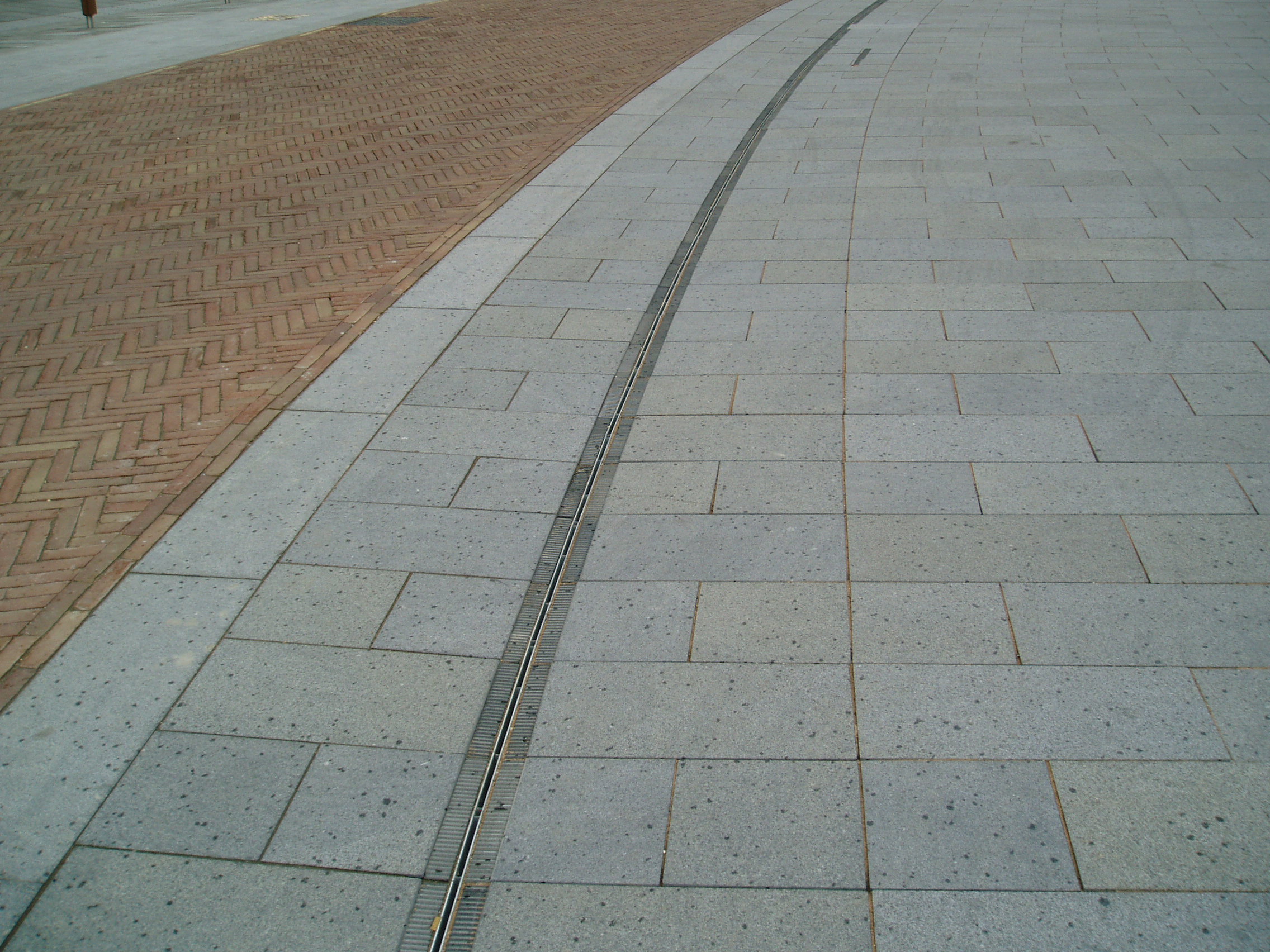
- Adaptable for straight and curved installations
- Integration with downpipes via rainwater outlets
- Inspection and cleaning access
- Connection to stormwater systems
- Project-specific solutions and dimensions
Galvanized steel in accordance with BS EN 10346: DX51D+Z275-NA-C
Manufactured in accordance with BS EN ISO 14001
Load classes in accordance with BS EN 124
Always read the installation instructions supplied with your order carefully before starting any installation work, as they may vary depending on configuration and selected options.
Installation should be carried out by qualified personnel and adapted to the specific conditions of the project.
Always follow the specific operation and maintenance instructions supplied with your order, as requirements may vary depending on model, material, and selected options.
To ensure reliable long-term performance, the drainage channel should be maintained regularly. Insufficient maintenance can lead to reduced water flow or, in worst cases, blockages in the system. Particular attention should be given during periods with high levels of sand and debris, such as after the winter season.
What is a drainage system?
A drainage system is designed to remove rainwater and surface water from hard surfaces such as roads, parking areas, courtyards, and industrial sites. Its purpose is to prevent flooding, reduce wear, and create safe, durable environments.
What is a channel drain or linear drainage?
A channel drain, also known as linear drainage, is a long, narrow system that collects and directs water along a surface. It is used where large volumes of water need to be managed efficiently, such as at airports, roads, and public spaces.
What is a slot drain?
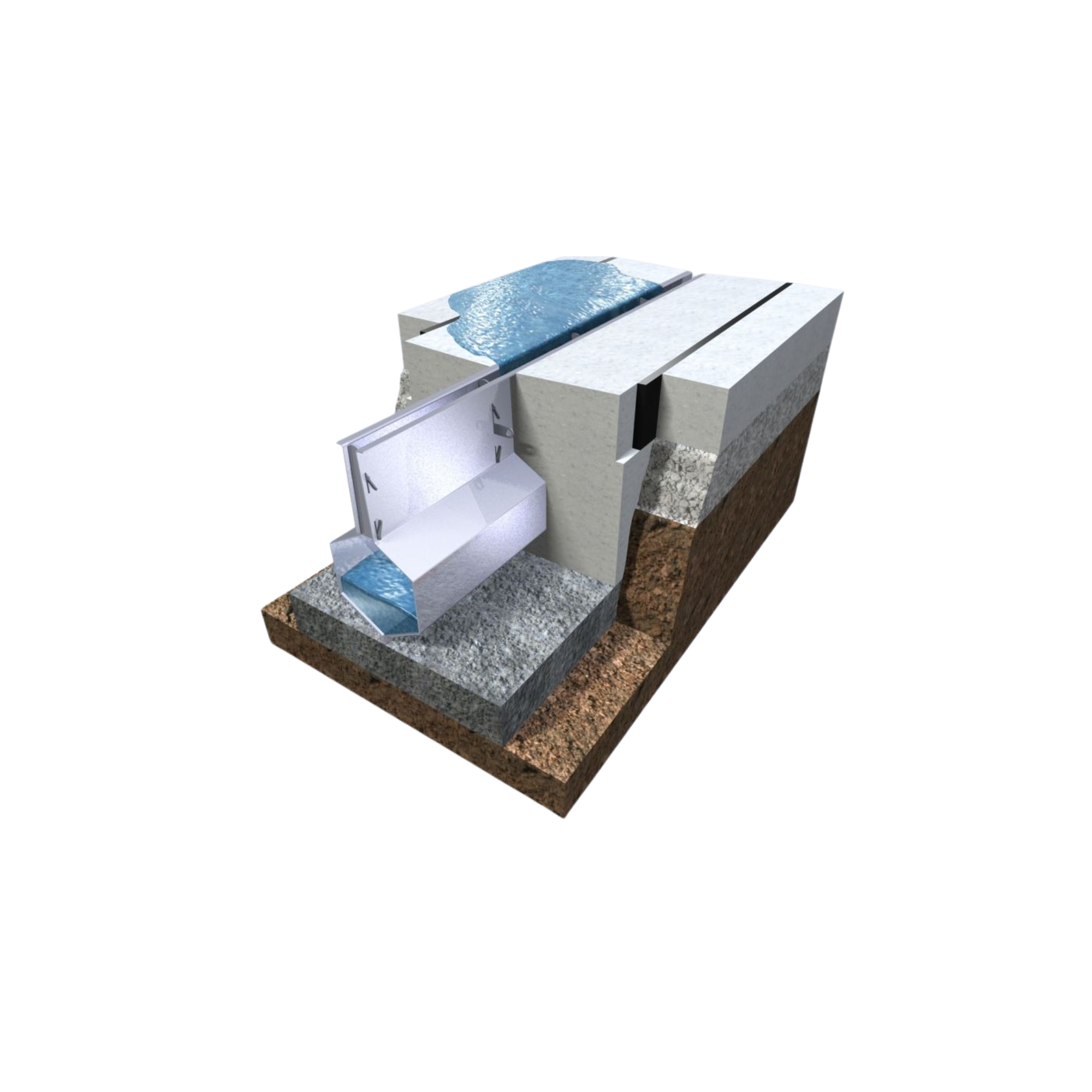
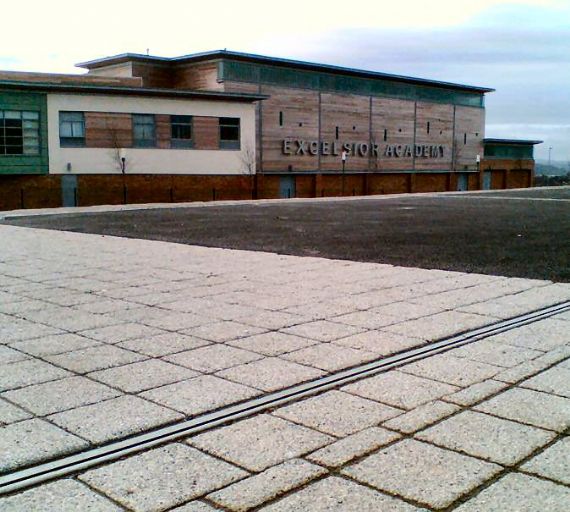
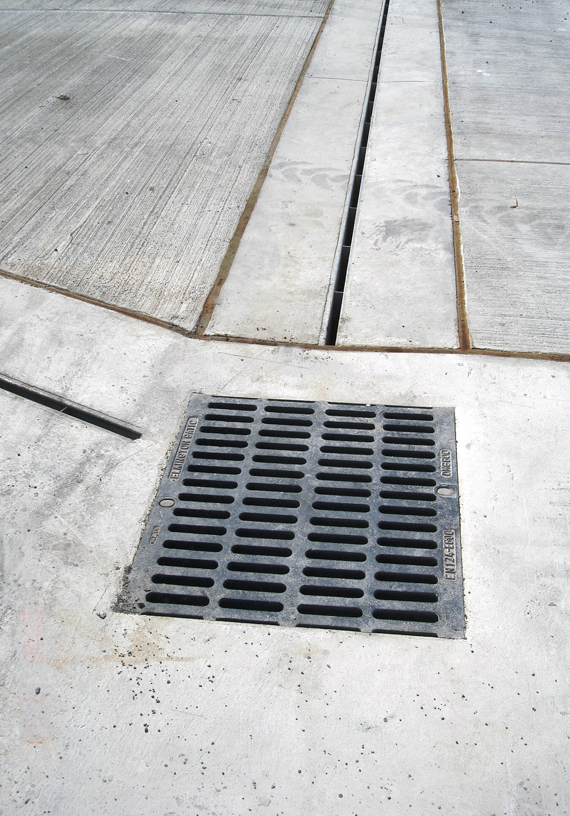
A slot drain is a type of channel drain with a narrow slot opening instead of a traditional grate. It provides a discreet appearance, reduces the risk of damage, and requires less maintenance while still handling high water flow.
When should you choose linear drainage instead of point drains?
Linear drainage is ideal when water needs to be collected along a continuous length, such as on large surfaces or where slope is limited. Point drains are better suited for smaller, localized areas.
Which load class should I choose?
The required load class depends on traffic and usage:
- A15 – pedestrian and cycling areas
- B125/C250 – parking areas and light traffic
- D400 and above – roads and heavy traffic
- F900 – airports and extremely heavy-duty applications
Where are drainage channels used?
Drainage systems are used in a wide range of environments, including:
- Airports and military facilities
- Ports and terminal areas
- Roads and heavy traffic areas
- Parking areas and logistics sites
- Courtyards, public squares, and pedestrian zones
What materials are best for drainage channels?
Common materials include galvanized steel and cast iron, offering high strength, long service life, and corrosion resistance. The choice depends on load requirements, environment, and lifespan expectations.
Do drainage channels require maintenance?
Yes, regular maintenance is essential to ensure proper water flow. Channels should be inspected at least once a year and cleaned of sand, leaves, and debris—especially after winter.
How do you clean a drainage system?
Drainage systems are typically cleaned by high-pressure flushing via access points and by manually removing debris from the slot. Sumps and catch basins should be emptied when needed.
What is a catch basin and why is it needed?
A catch basin collects sand, gravel, and debris before it enters the drainage system. This helps prevent blockages and extends the lifespan of the system.
How often should drainage systems be inspected?
At least once a year, but more frequently in demanding environments such as industrial areas, ports, or locations with high levels of debris.
Can drainage channels be customized?
Yes, systems can be adapted with different widths, lengths, slot openings, and connections depending on flow requirements, load class, and surface finish.
What are the benefits of slot drains without grates?
Slot drains have no loose components, which reduces maintenance, noise, and the risk of damage or theft. They also provide a more discreet and integrated appearance.
How do you size a drainage system?
Sizing depends on rainfall intensity, surface area, slope, and flow requirements. Larger projects often require hydraulic calculations to ensure sufficient capacity.
Can drainage systems be used in cold climates?
Yes, drainage systems can be designed for cold climates and may include heating cables to prevent ice formation and ensure reliable performance year-round.